


-
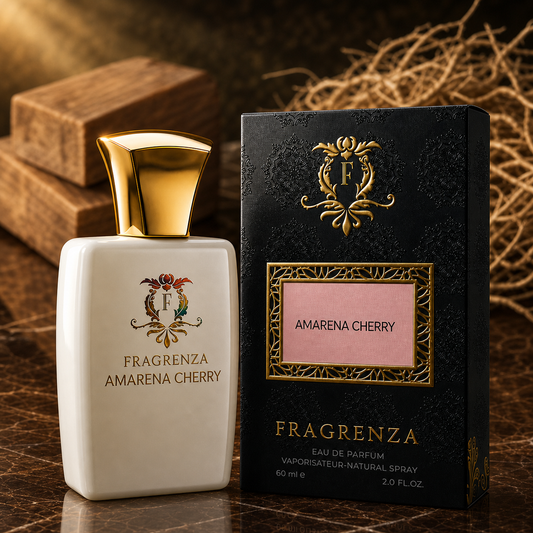
Amarena Cherry Amarena CherryVendor:Inspired by Tom Ford Lost CherryRegular price From $9.99Regular price
$390.00Sale price From $9.99Sale -
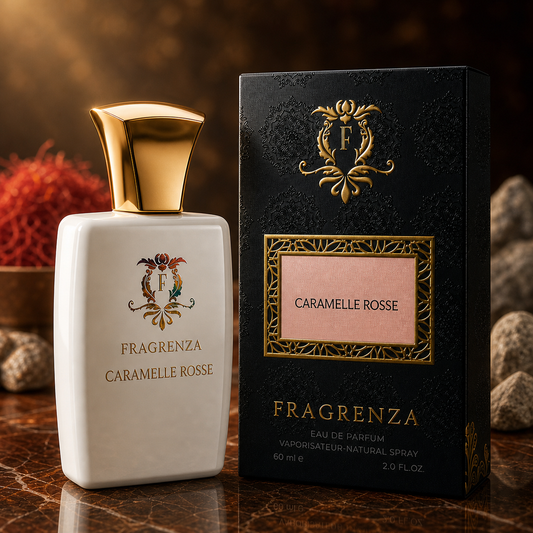
Caramelle Rosse Caramelle RosseVendor:Inspired by MFK Baccarat Rouge 540Regular price From $9.99Regular price
$435.00Sale price From $9.99Sale -
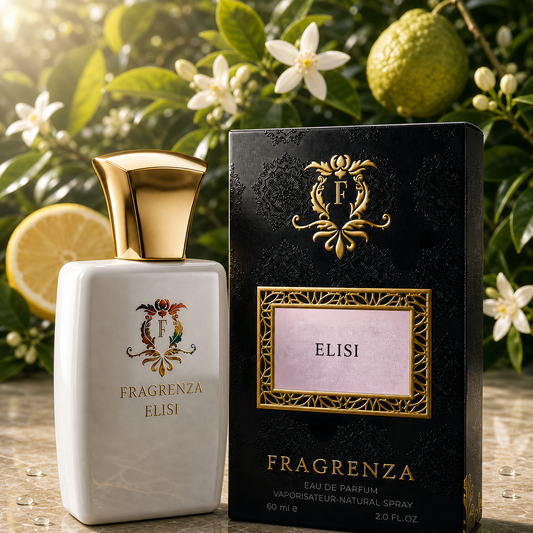
Elisi ElisiVendor:Inspired by Roja Parfums ElysiumRegular price From $9.99Regular price
$300.00Sale price From $9.99Sale -
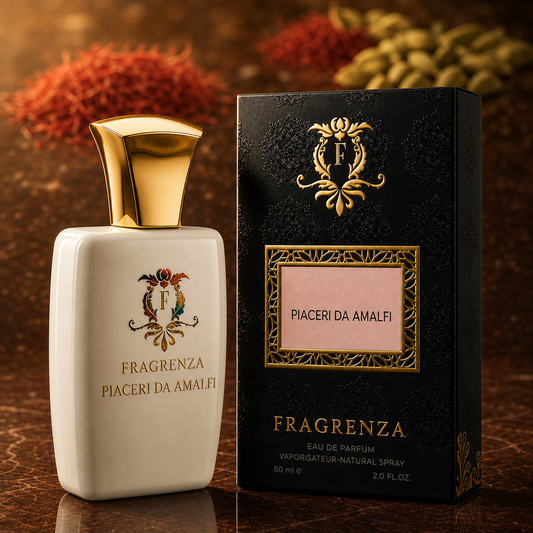
Piaceri da Amalfi Piaceri da AmalfiVendor:Inspired by Xerjoff Dolce AmalfiRegular price From $9.99Regular price
$350.00Sale price From $9.99Sale -
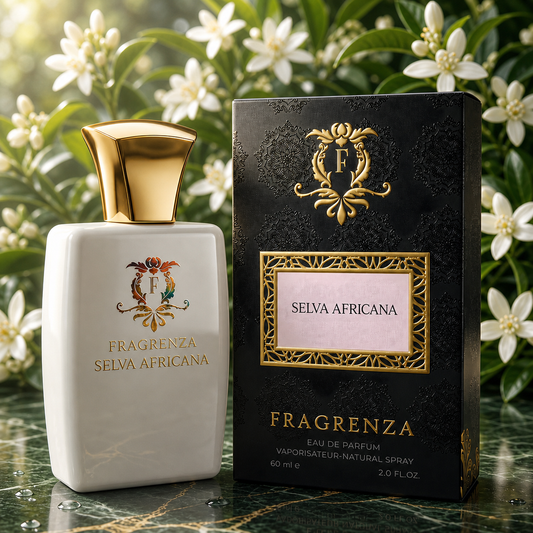
Selva Africana Selva AfricanaVendor:Inspired by Byredo Bal d'AfriqueRegular price From $9.99Regular price
$196.00Sale price From $9.99Sale -
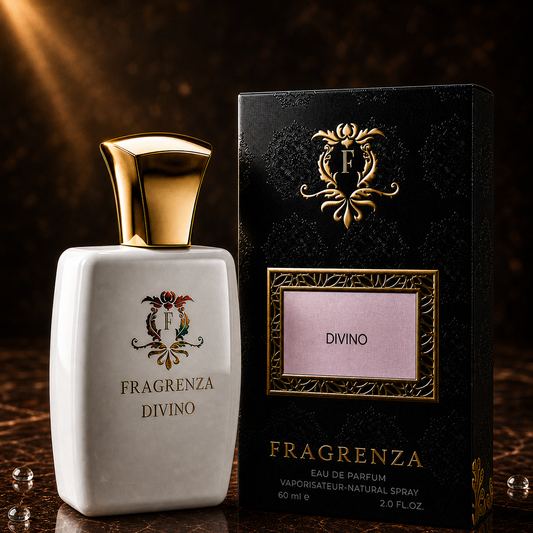
Divino DivinoVendor:Inspired by Chanel Bleu de ChanelRegular price From $9.99Regular price
$132.00Sale price From $9.99Sale -
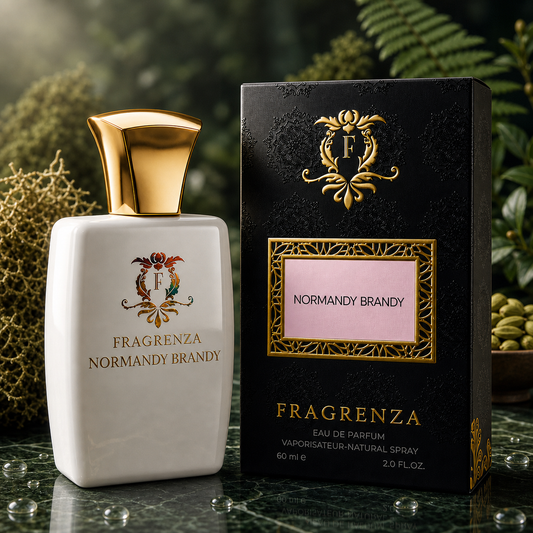
Normandy Brandy Normandy BrandyVendor:Inspired by Kilian Apple Brandy On The RocksRegular price From $9.99Regular price
$195.00Sale price From $9.99Sale -
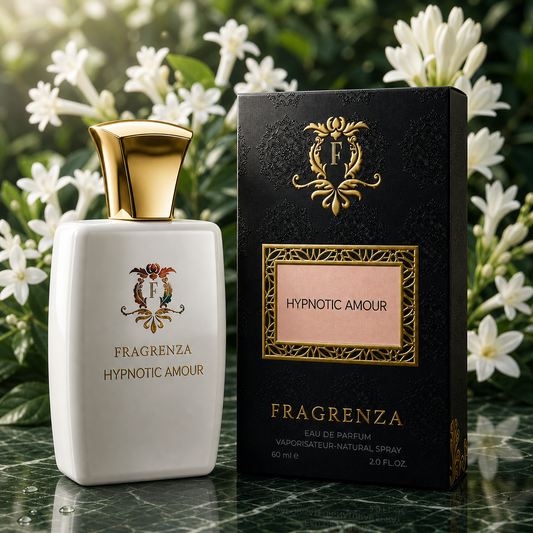
Hypnotic Amour Hypnotic AmourVendor:Inspired by Dior Hypnotic PoisonRegular price From $9.99Regular price
$118.00Sale price From $9.99Sale -

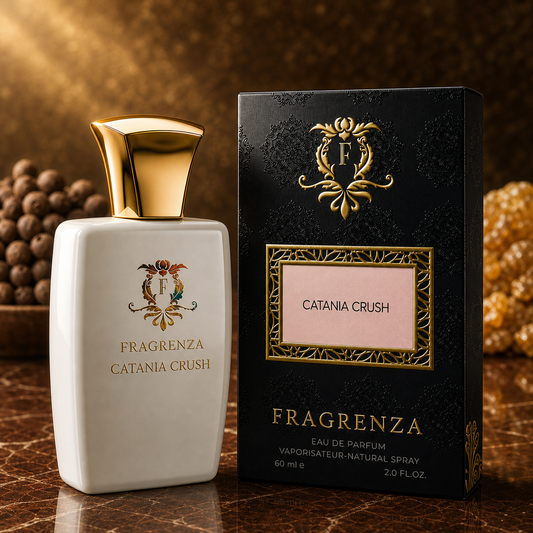 SaleCatania Crush Catania CrushVendor:Inspired by Dior PoisonRegular price From $9.99Regular price
$118.00Sale price From $9.99Sale -
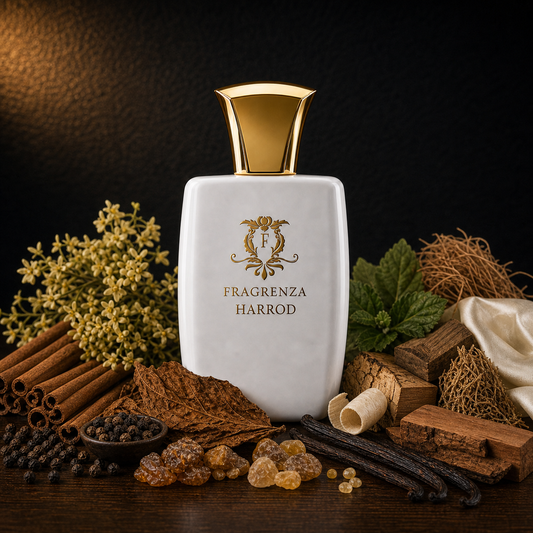
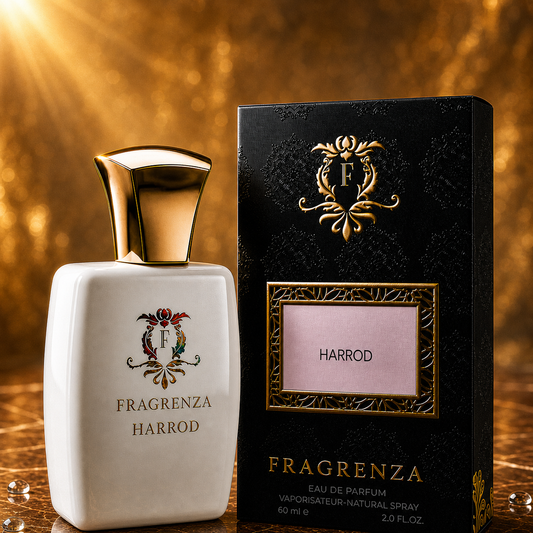 Sold outHarrod HarrodVendor:Inspired by Parfums de Marly HerodRegular price From $9.99Regular price
$330.00Sale price From $9.99Sold out -
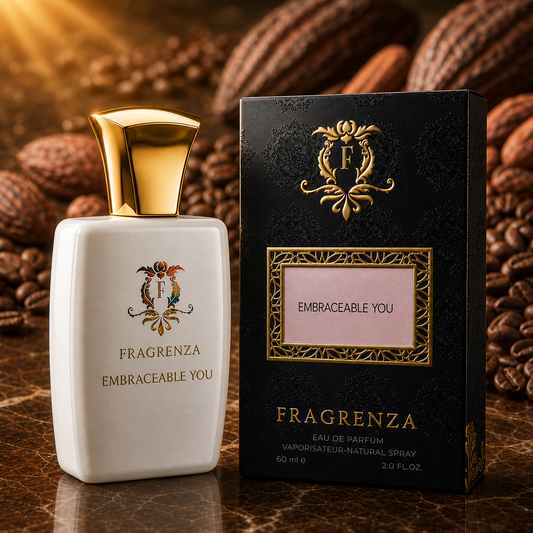
Embraceable You Embraceable YouVendor:Inspired by Montale Sensual InstinctRegular price From $9.99Regular price
$170.00Sale price From $9.99Sale -
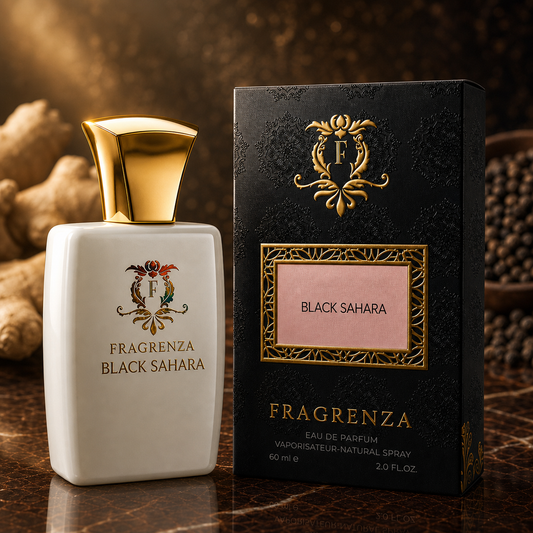
Black Sahara Black SaharaVendor:Inspired by Tom Ford Sahara NoirRegular price From $9.99Regular price
$365.00Sale price From $9.99Sale -

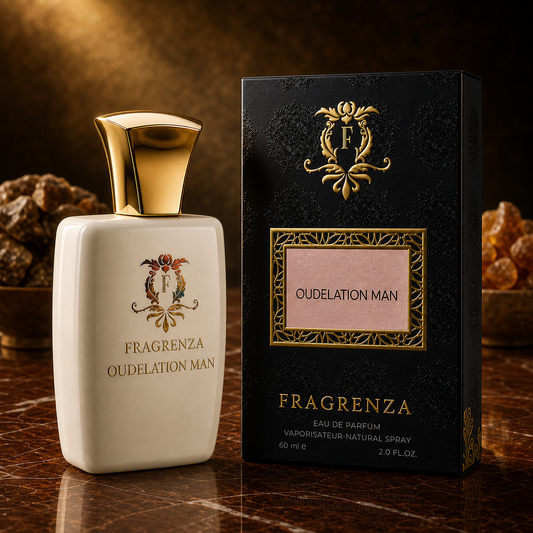 Sold outOudelation Man Oudelation ManVendor:Inspired by Amouage Jubilation XXVRegular price From $9.99Regular price
$360.00Sale price From $9.99Sold out -
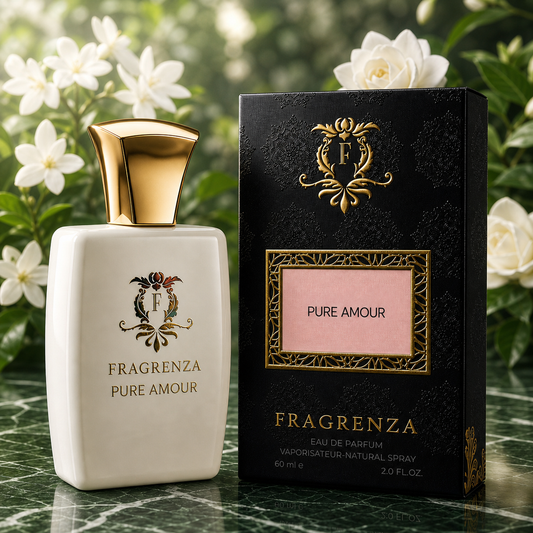
Pure Amour Pure AmourVendor:Inspired by Dior Pure PoisonRegular price From $9.99Regular price
$142.00Sale price From $9.99Sale -
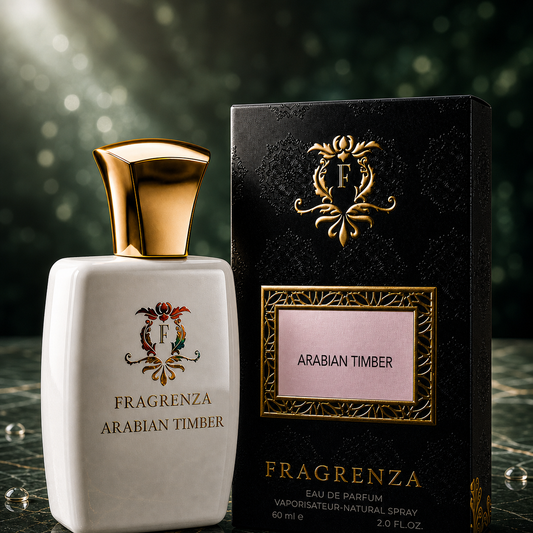
Arabian Timber Arabian TimberVendor:Inspired by Tom Ford Arabian WoodRegular price From $9.99Regular price
$429.00Sale price From $9.99Sale -
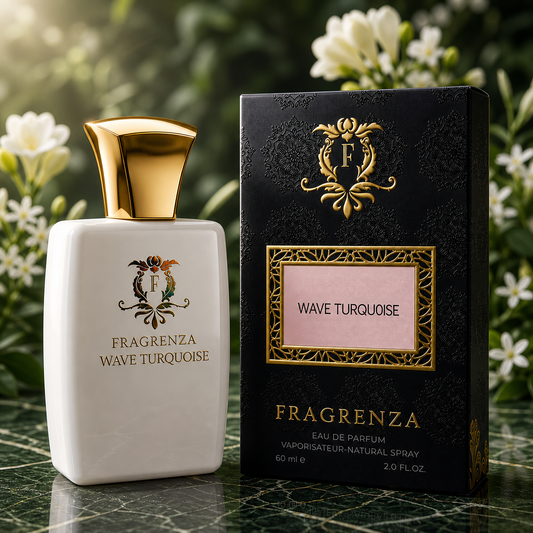
Wave Turquoise Wave TurquoiseVendor:Inspired by Versace Dylan TurquoiseRegular price From $9.99Regular price
$88.00Sale price From $9.99Sale -
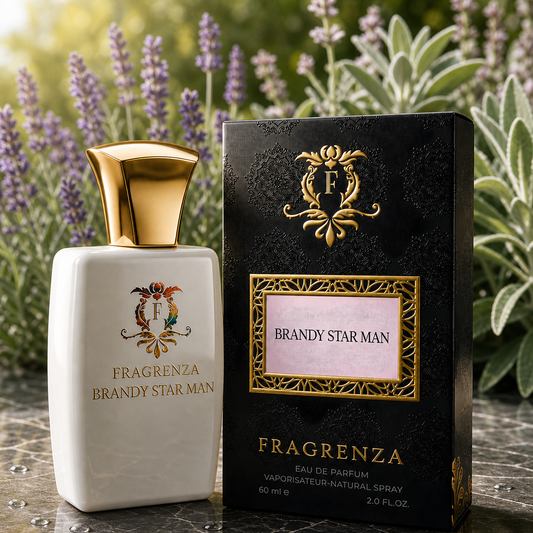
Brandy Star Man Brandy Star ManVendor:Inspired by Amouage Sunshine ManRegular price From $9.99Regular price
$360.00Sale price From $9.99Sale -
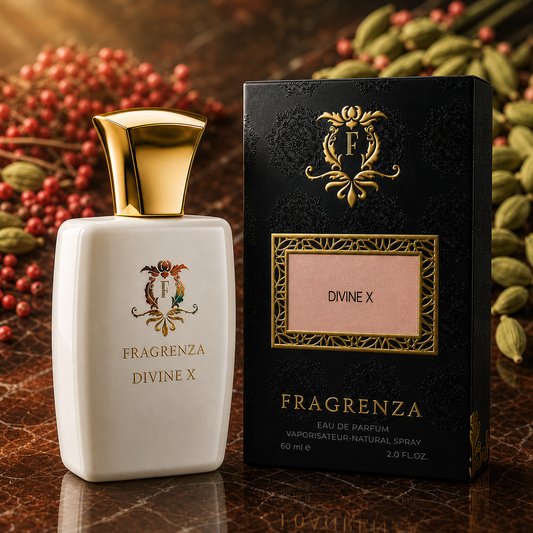
Divine X Divine XVendor:Inspired by Clive Christian X for MenRegular price From $9.99Regular price
$430.00Sale price From $9.99Sale -
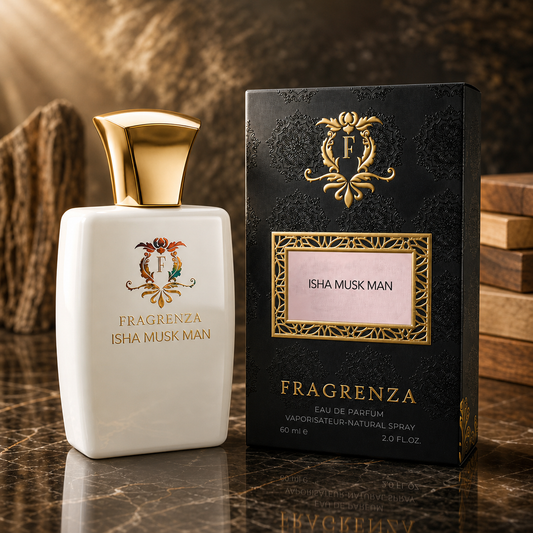
Isha Musk Man Isha Musk ManVendor:Inspired by Amouage Reflection ManRegular price From $9.99Regular price
$360.00Sale price From $9.99Sale -
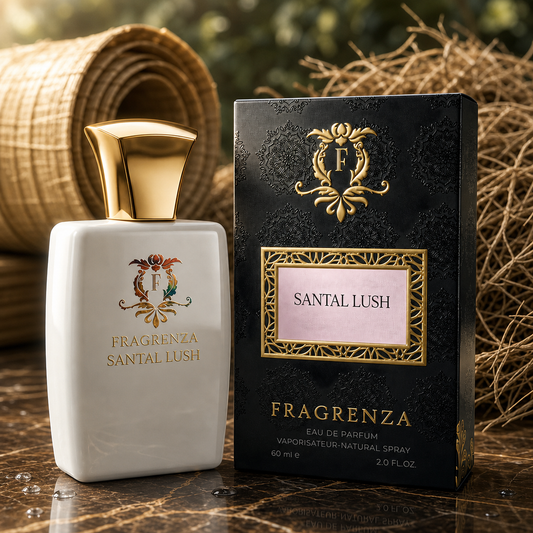
Santal Lush Santal LushVendor:Regular price From $9.99Regular price
$200.00Sale price From $9.99Sale -
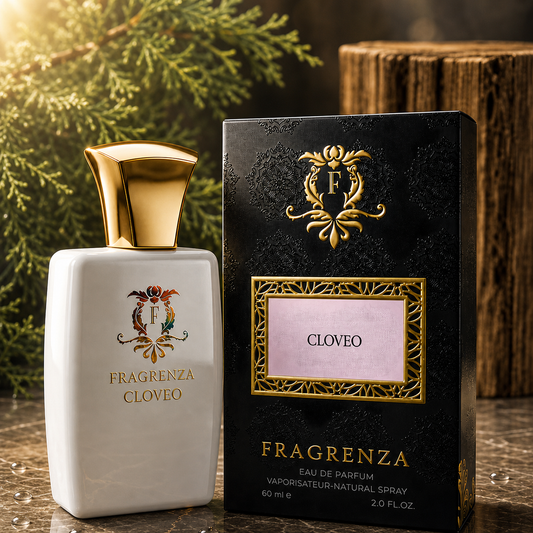
Cloveo CloveoVendor:Inspired by Amouage Bracken ManRegular price From $9.99Regular price
$360.00Sale price From $9.99Sale -
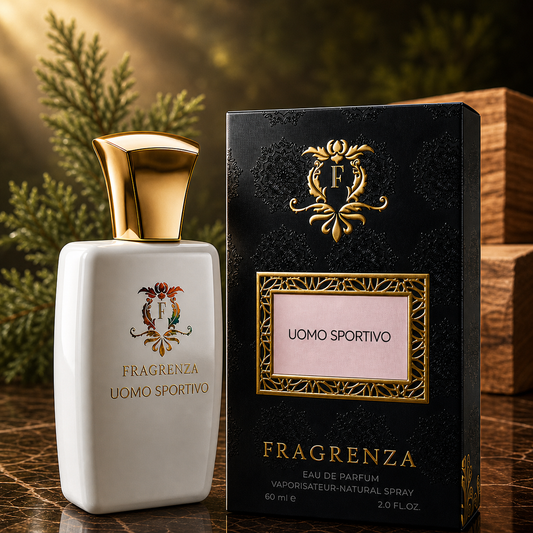
Uomo Sportivo Uomo SportivoVendor:Inspired by Chanel Allure Homme SportRegular price From $9.99Regular price
$110.00Sale price From $9.99Sale























About Cedar Fragrances
Cedar is one of the most enduring and widely used materials in perfumery — a woody backbone that has anchored fragrances for millennia. Several distinct species carry the cedar name, each with its own olfactory character. Atlas Cedar (Cedrus atlantica), native to the Atlas Mountains of Morocco and Algeria, yields a rich, creamy wood with a distinctly smoky, balsamic warmth. Virginian Cedar (Juniperus virginiana), sometimes called Eastern Red Cedar, offers a drier, pencil-shaving quality that is sharper and more aromatic. Lebanese Cedar (Cedrus libani), perhaps the most historically famous, carries a dry, slightly resinous nobility that has been treasured since antiquity.
In perfumery, cedar's key aroma molecules — particularly the sesquiterpenes alpha- and beta-himachalene derived from Atlas Cedar — provide a smooth, dry, almost milky woodiness that blends seamlessly with virtually every other fragrance family. Cedar stabilises volatile top notes, softens harsh resins, and adds structure and longevity to a composition. It is as comfortable in a fresh fougère as it is in an opulent oriental, and its versatility has made it a cornerstone of masculine, unisex, and feminine fragrances alike.
Whether as a dominant note in a cedar soliflore, a warm structural base in a chypre, or a subtle dry-down element in a fresh aquatic, cedar brings an incomparable sense of quiet strength and refinement. At Fragrenza, our cedar-forward inspired-by fragrances celebrate this timeless material, drawing on the finest synthetic cedar molecules to recreate the depth and character of the world's most celebrated woody perfumes — at a fraction of the cost.
Other Collections
Bitter Almond Fragrances

From this collection: Amarena Cherry — Lost Cherry by Tom Ford alternative
Explore our collection of bitter almond fragrances. Shop bitter almond perfumes and discover captivating scents.
Black Cherry Fragrances

From this collection: Cherryum
Explore our collection of black cherry fragrances. Shop black cherry perfumes and discover captivating scents.
Cherry Liqueur Fragrances
From this collection: Amarena Cherry — Lost Cherry by Tom Ford alternative
Explore our collection of cherry liqueur fragrances. Shop cherry liqueur perfumes and discover captivating scents.
Griotte Cherries Fragrances
From this collection: Amarena Cherry — Lost Cherry by Tom Ford alternative
Explore our collection of griotte cherries fragrances. Shop griotte cherries perfumes and discover captivating scents.
Jasmine Sambac Fragrances

From this collection: Better Peach — Bitter Peach by Tom Ford alternative
Explore our collection of jasmine sambac fragrances. Shop jasmine sambac perfumes and discover captivating scents.
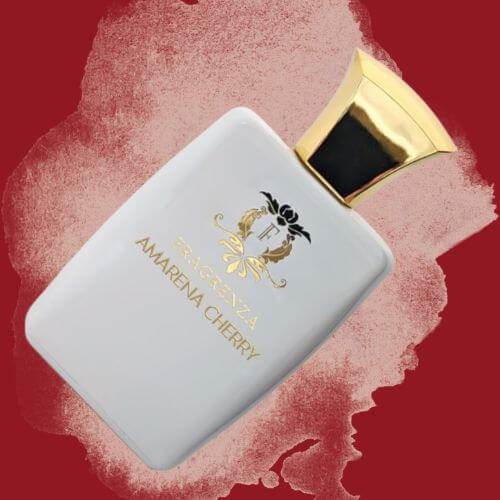
Amarena Cherry
Obsessed with cherry? If you want to really amp up the cherry scent, this Tom Ford Lost Cherry dupe will give Lost Cherry a run for its money. Black cherry, cherry syrup, and cherry liqueur all mingle together for an indulgent cherry overdose that’s complemented by notes of almond, tonka bean, Turkish rose, and jasmine sambac.
Woods And Mosses
Cedrus, family Pinaceae
-
Our best sellers.
-
Adeline PDM Delina dupe Better Peach Tom Ford Bitter Peach dupe Chloris Gardenia Gucci Flora Gorgeous Gardenia dupe Fearless Love Kilian's Love, Don't Be Shy dupe Selvaggio Dior's Sauvage dupe Addict Noir YSL's Black Opium dupe Empress D&G's L'Imperatrice dupe Divino Bleu de Chanel dupe Lo amo J’Adore Dior dupe Pretty Girl Carolina Herrera's Good Girl dupe
-
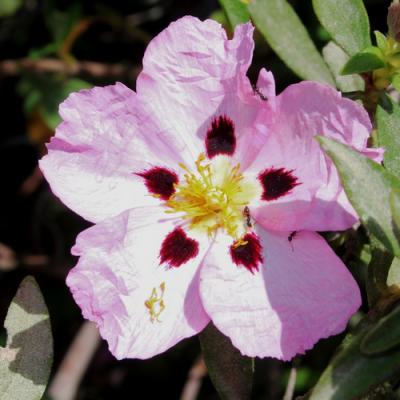
What Does Labdanum Smell Like?
Discover labdanum in perfumery — its warm, animalic, balsamic scent, history from ancient Mediterranean ritual to modern ambers, and its role in iconic fragrances.
-

What Does Patchouli Smell Like?
Patchouli smells like rich, dark earth — wet woods, chocolate, and aged leather. What it really smells like, why it’s linked to weed, and how to wear it.
-
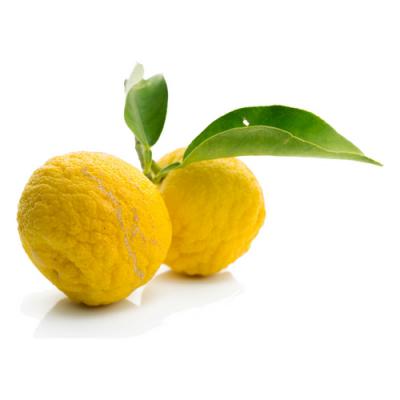
What Does Yuzu Smell Like?
What does yuzu smell like in perfumery? Explore this Japanese citrus note — its tart, floral-citrus scent, key aroma compounds, and how it elevates contemporary fragrance design.
-
What Does Amber Smell Like?
Discover what amber truly smells like in perfumery — from rare ambergris washed ashore to modern synthetics — and why it makes every fragrance warmer.

