


-
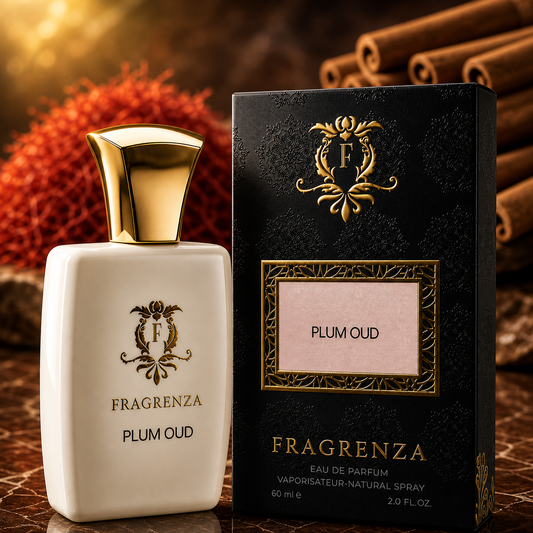
Plum Oud Plum OudVendor:Inspired by Tom Ford Plum JaponaisRegular price From $9.99Regular price
$335.00Sale price From $9.99Sale -
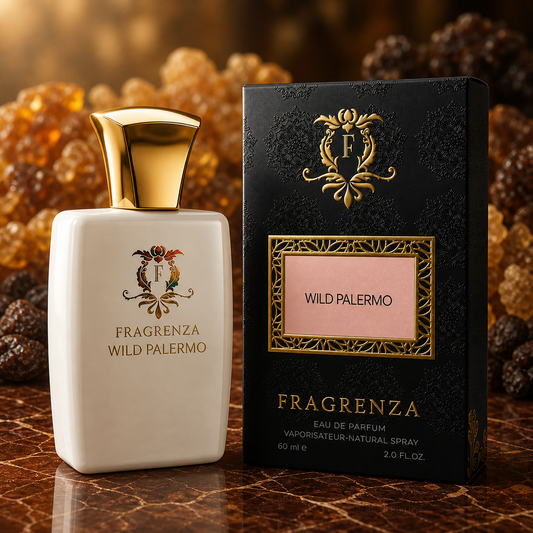
Wild Palermo Wild PalermoVendor:Inspired by Xerjoff More Than WordsRegular price From $9.99Regular price
$205.00Sale price From $9.99Sale -
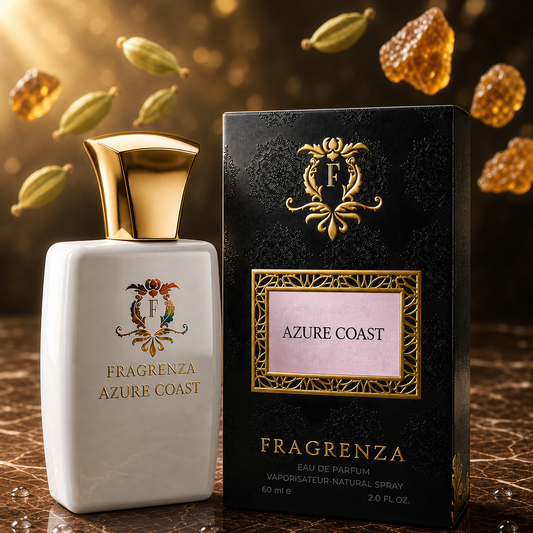
Azure Coast Azure CoastVendor:Inspired by Tom Ford Costa AzzurraRegular price From $9.99Regular price
$195.00Sale price From $9.99Sale -
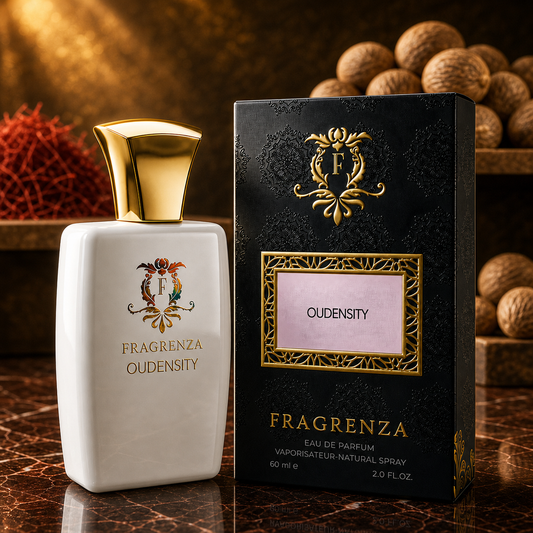
Oudensity OudensityVendor:Inspired by Initio Parfums Oud for GreatnessRegular price From $9.99Regular price
$385.00Sale price From $9.99Sale -
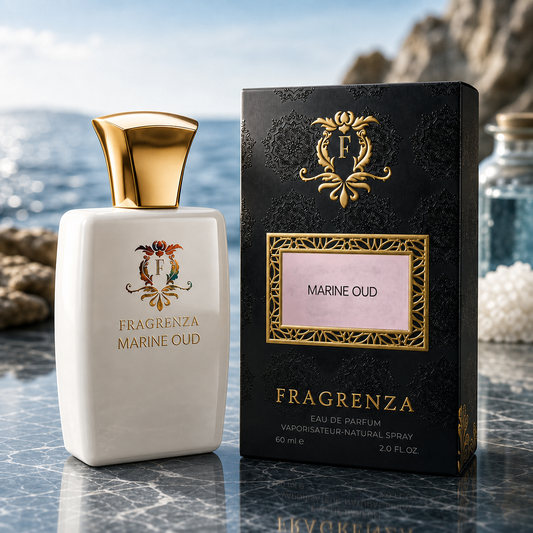
Marine Oud Marine OudVendor:Inspired by Tom Ford Oud MinéraleRegular price From $9.99Regular price
$270.00Sale price From $9.99Sale -
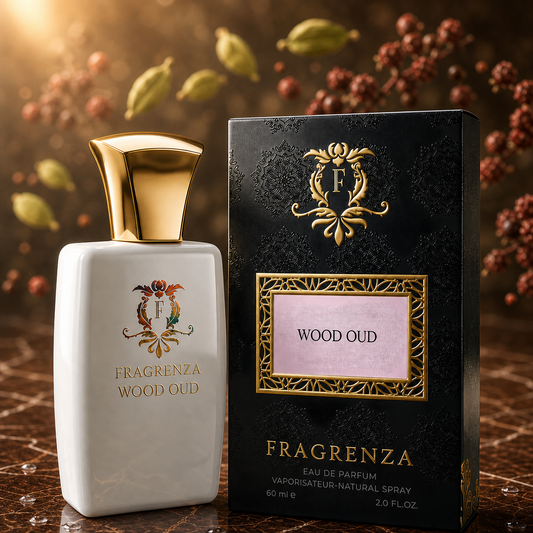
Wood oud Wood oudVendor:Inspired by Tom Ford Oud WoodRegular price From $9.99Regular price
$270.00Sale price From $9.99Sale -

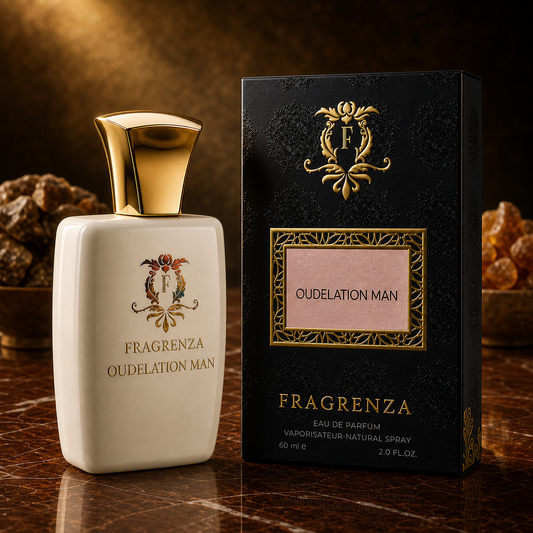 Sold outOudelation Man Oudelation ManVendor:Inspired by Amouage Jubilation XXVRegular price From $9.99Regular price
$360.00Sale price From $9.99Sold out -
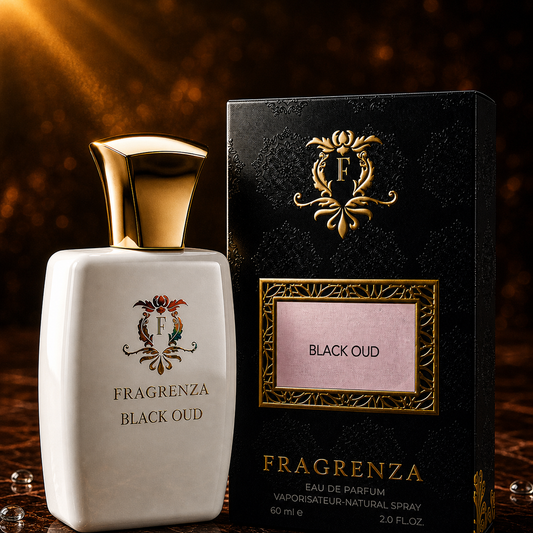
Black Oud Black OudVendor:Inspired by Nasomatto Black AfganoRegular price From $9.99Regular price
$260.00Sale price From $9.99Sale -
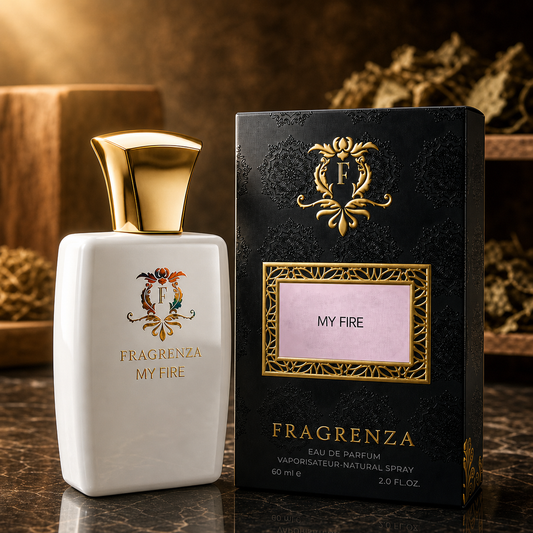
My Fire My FireVendor:Inspired by Tom Ford Tobacco OudRegular price From $9.99Regular price
$350.00Sale price From $9.99Sale -
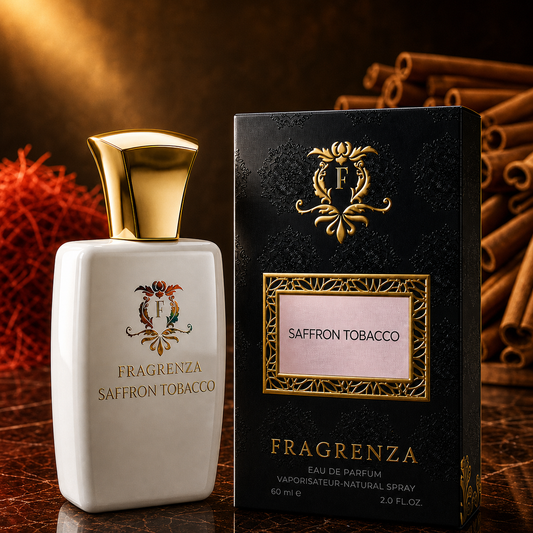
Saffron Tobacco Saffron TobaccoVendor:Inspired by Mancera Red TobaccoRegular price From $9.99Regular price
$180.00Sale price From $9.99Sale -
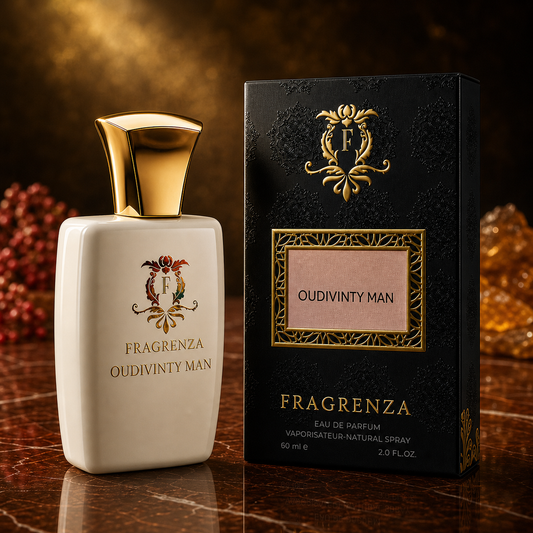
Oudivinty Man Oudivinty ManVendor:Inspired by Amouage Epic ManRegular price From $9.99Regular price
$360.00Sale price From $9.99Sale -
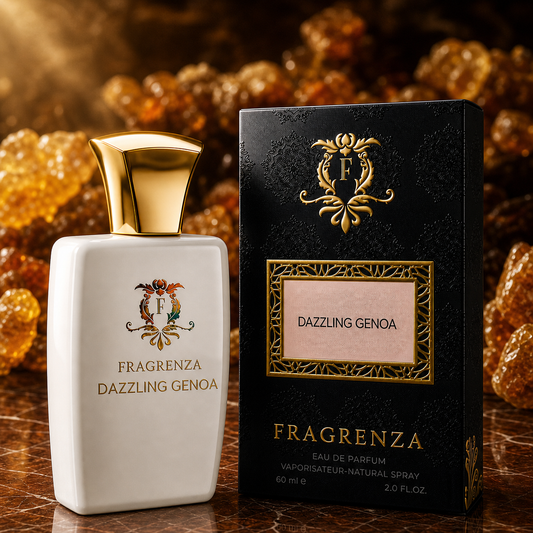
Dazzling Genoa Dazzling GenoaVendor:Inspired by Dolce & Gabbana Velvet Desert OudRegular price From $9.99Regular price
$415.00Sale price From $9.99Sale -
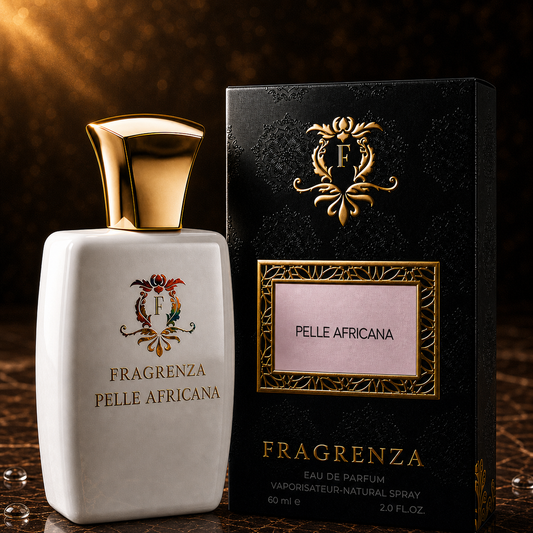
Pelle Africana Pelle AfricanaVendor:Inspired by Memo African LeatherRegular price From $9.99Regular price
$300.00Sale price From $9.99Sold out -
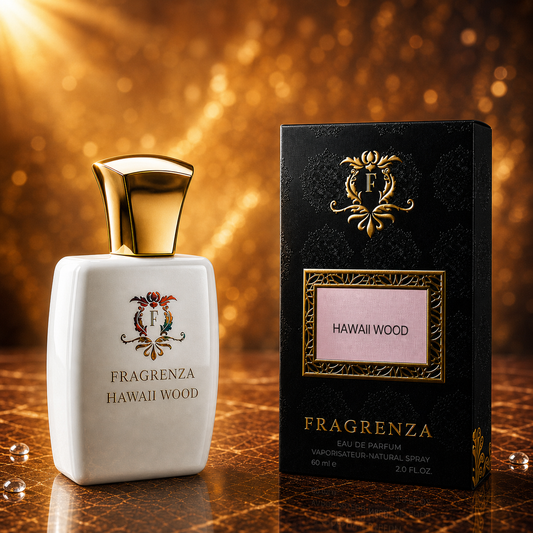
Hawaii Wood Hawaii WoodVendor:Regular price From $9.99Regular price
$200.00Sale price From $9.99Sale -
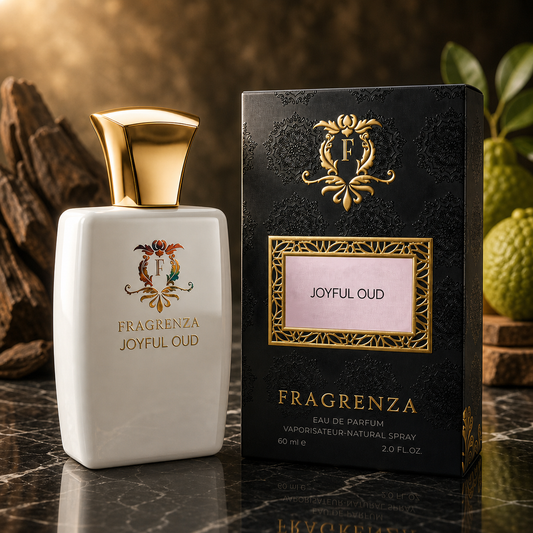
Joyful Oud Joyful OudVendor:Inspired by Initio Parfums Oud for HappinessRegular price From $9.99Regular price
$385.00Sale price From $9.99Sale -
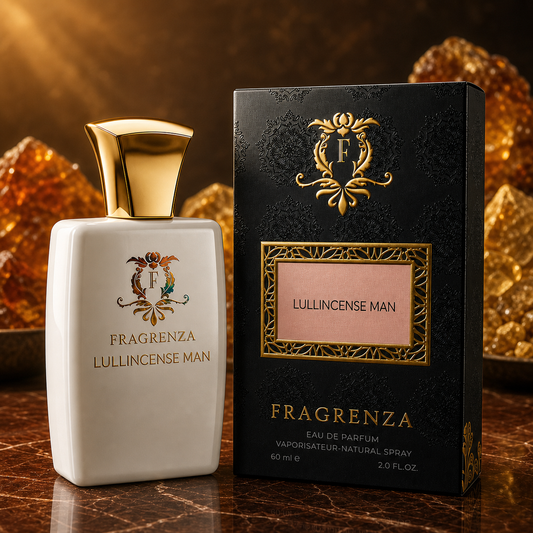
Lullincense Man Lullincense ManVendor:Inspired by Amouage Interlude ManRegular price From $9.99Regular price
$360.00Sale price From $9.99Sale -
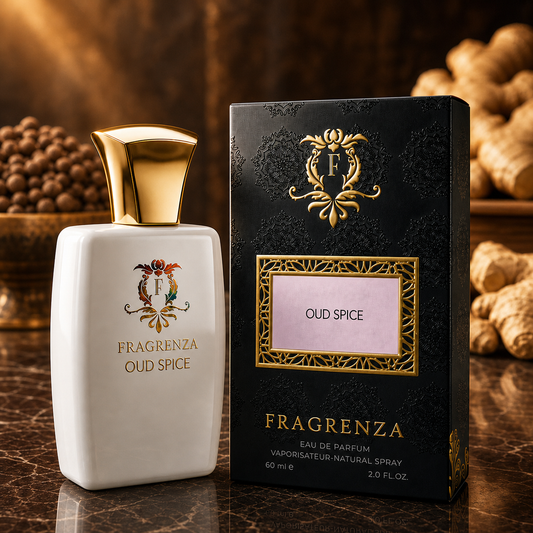
Oud Spice Oud SpiceVendor:Inspired by Tom Ford Oud FleurRegular price From $9.99Regular price
$350.00Sale price From $9.99Sale -
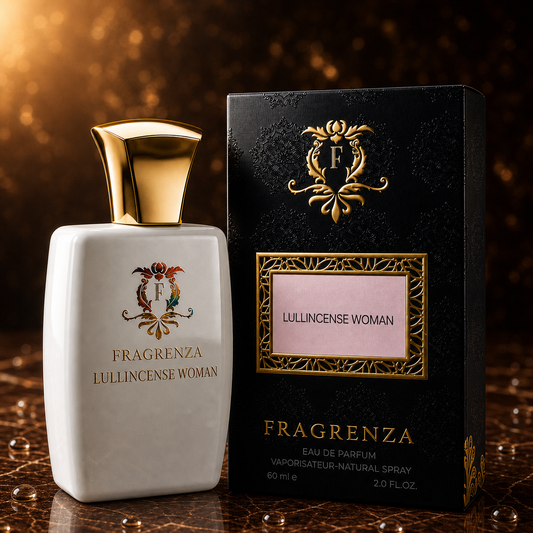
Lullincense Woman Lullincense WomanVendor:Inspired by Amouage Interlude WomanRegular price From $9.99Regular price
$360.00Sale price From $9.99Sale -
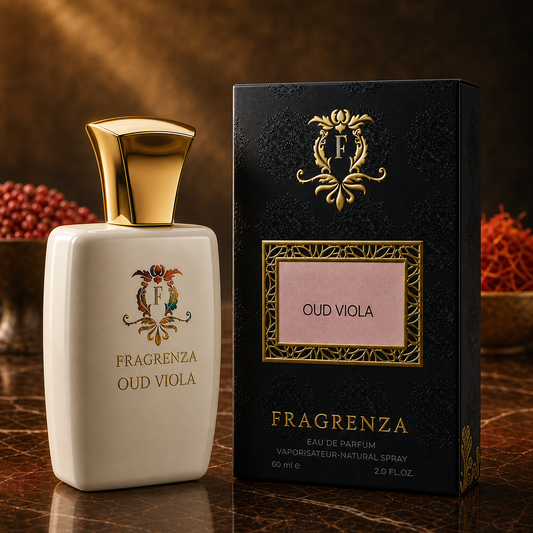
Oud Viola Oud ViolaVendor:Inspired by Dior Purple OudRegular price From $9.99Regular price
$260.00Sale price From $9.99Sale -

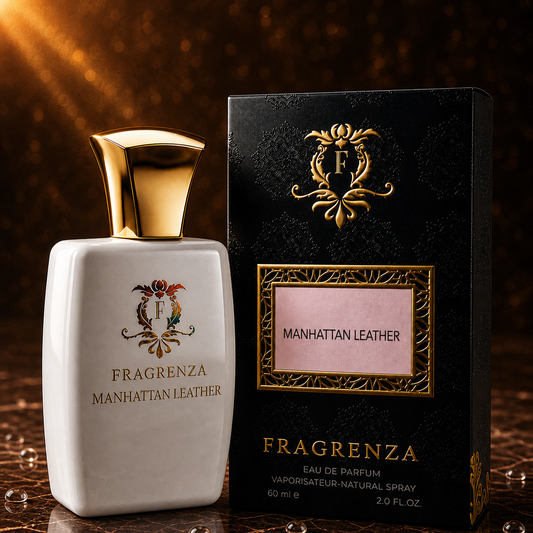 SaleManhattan Leather Manhattan LeatherVendor:Regular price From $9.99Regular price
$200.00Sale price From $9.99Sale -
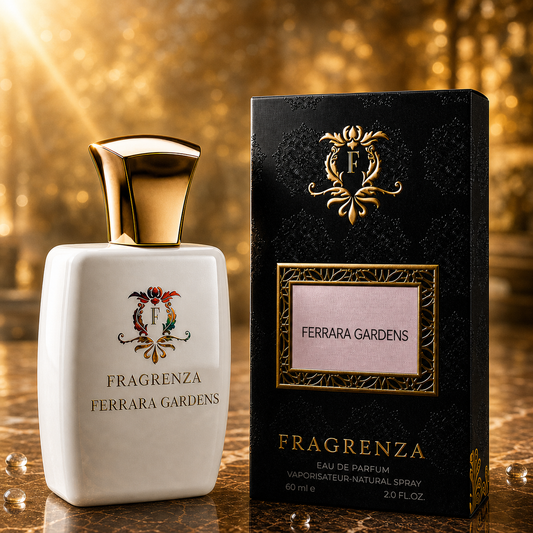
Ferrara Gardens Ferrara GardensVendor:Inspired by Clive Christian L for MenRegular price From $9.99Regular price
$375.00Sale price From $9.99Sale -
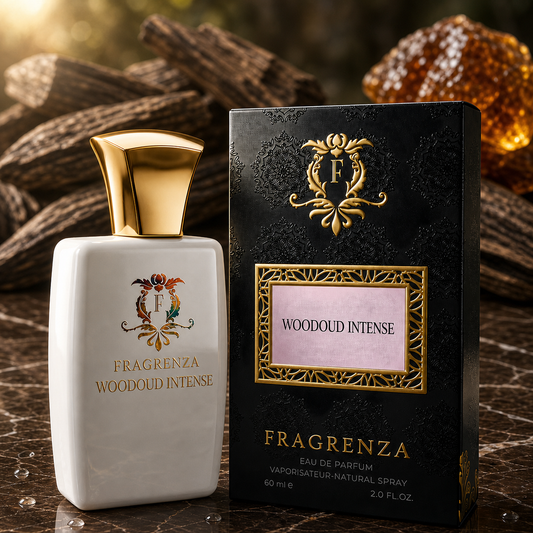
Woodoud Intense Woodoud IntenseVendor:Inspired by Tom Ford Oud Wood IntenseRegular price From $9.99Regular price
$270.00Sale price From $9.99Sold out























About Oud Fragrances
Oud — also known as agarwood, aloeswood, or oudh — is one of the most extraordinary and expensive natural materials used in perfumery. It is formed in the heartwood of Aquilaria trees, native to the forests of Southeast Asia, South Asia, and parts of the Middle East, when the tree becomes infected with a specific mould (Phialophora parasitica). In response to this infection, the tree produces a dense, dark, resinous substance that impregnates the wood over many years or even decades. Only a small percentage of wild Aquilaria trees produce oud naturally, which — combined with centuries of overharvesting — has made genuine wild agarwood extraordinarily rare and precious.
The scent of oud is famously difficult to describe. Smoky and animalic at its core, it also contains complex facets of dried fruit, leather, incense, earth, and a deep woody sweetness that varies significantly depending on the region of origin. Indian oud tends toward the rich and barnyard-animalic; Cambodian oud leans sweeter and fruitier; Laotian and Thai ouds are often lighter and more incense-like; while cultivated oud — produced on sustainable plantations — is generally cleaner and more approachable than its wild counterpart.
In the world of luxury perfumery, oud has become synonymous with uncompromising opulence. It anchors some of the most celebrated creations in niche and designer fragrance alike, adding unparalleled depth, longevity, and presence. Its cultural resonance spans from the incense-filled souks of the Arabian Peninsula to the most prestigious fragrance houses of Paris and London. At Fragrenza, our oud inspired-by fragrances capture the richness, complexity, and allure of the world's finest oud-based perfumes — making this extraordinary material accessible to all.
Other Collections
Amber Fragrances

From this collection: Plum Oud — Plum Japonais by Tom Ford alternative
Explore our collection of amber fragrances. Shop amber perfumes and discover captivating scents.
Benzoin Fragrances

From this collection: Ojen — Oajan by Parfums de Marly alternative
Explore our collection of benzoin fragrances. Shop benzoin perfumes and discover captivating scents.
Camellia Fragrances
From this collection: Plum Oud — Plum Japonais by Tom Ford alternative
Explore our collection of camellia fragrances. Shop camellia perfumes and discover captivating scents.
Cypress Fragrances

From this collection: Mediterranean Cypress — Italian Cypress by Tom Ford alternative
Explore our collection of cypress fragrances. Shop cypress perfumes and discover captivating scents.
Fir Balsam Fragrances

From this collection: Amarena Cherry — Lost Cherry by Tom Ford alternative
Explore our collection of fir balsam fragrances. Shop fir balsam perfumes and discover captivating scents.
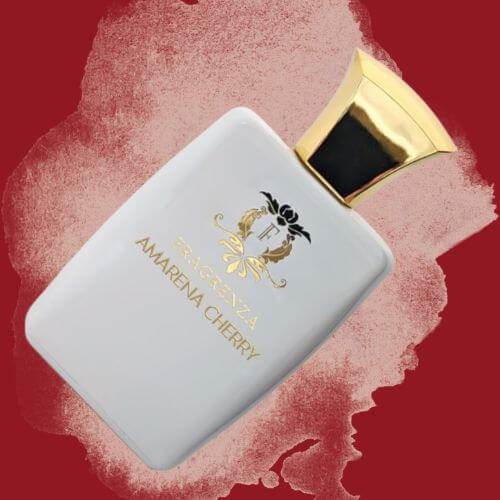
Amarena Cherry
Obsessed with cherry? If you want to really amp up the cherry scent, this Tom Ford Lost Cherry dupe will give Lost Cherry a run for its money. Black cherry, cherry syrup, and cherry liqueur all mingle together for an indulgent cherry overdose that’s complemented by notes of almond, tonka bean, Turkish rose, and jasmine sambac.
Woods And Mosses
Aquilaria agallocha i A. malaccensis Thymelaeaceae
-
Our best sellers.
-
Adeline PDM Delina dupe Better Peach Tom Ford Bitter Peach dupe Chloris Gardenia Gucci Flora Gorgeous Gardenia dupe Fearless Love Kilian's Love, Don't Be Shy dupe Selvaggio Dior's Sauvage dupe Addict Noir YSL's Black Opium dupe Empress D&G's L'Imperatrice dupe Divino Bleu de Chanel dupe Lo amo J’Adore Dior dupe Pretty Girl Carolina Herrera's Good Girl dupe
-
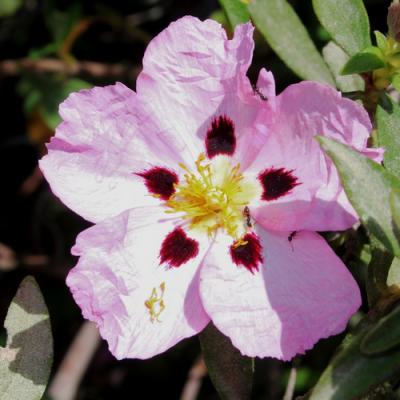
What Does Labdanum Smell Like?
Discover labdanum in perfumery — its warm, animalic, balsamic scent, history from ancient Mediterranean ritual to modern ambers, and its role in iconic fragrances.
-

What Does Patchouli Smell Like?
Patchouli smells like rich, dark earth — wet woods, chocolate, and aged leather. What it really smells like, why it’s linked to weed, and how to wear it.
-
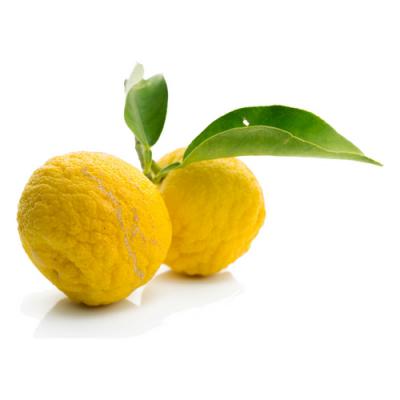
What Does Yuzu Smell Like?
What does yuzu smell like in perfumery? Explore this Japanese citrus note — its tart, floral-citrus scent, key aroma compounds, and how it elevates contemporary fragrance design.
-
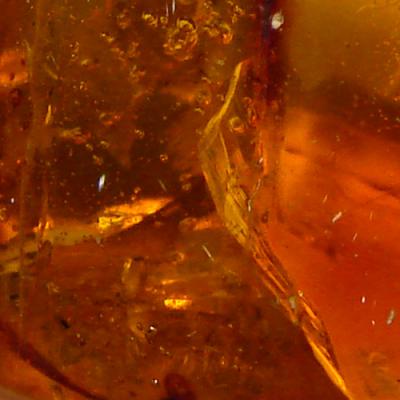
What Does Amber Smell Like?
Discover what amber truly smells like in perfumery — from rare ambergris washed ashore to modern synthetics — and why it makes every fragrance warmer.

