

-
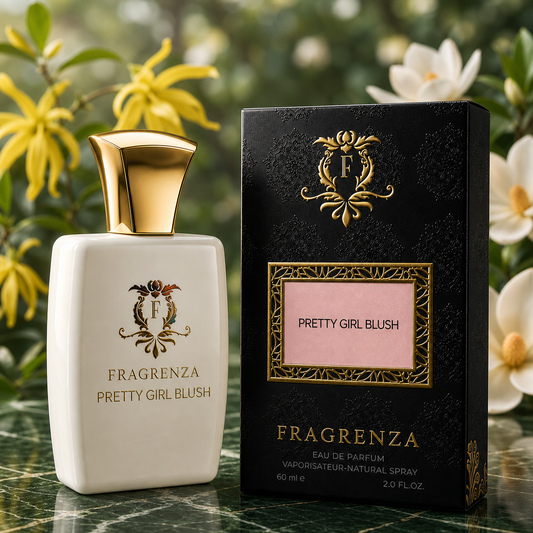
Pretty Girl Blush Pretty Girl BlushVendor:Inspired by Carolina Herrera Good Girl BlushRegular price From $9.99Regular price
$143.00Sale price From $9.99Sale -
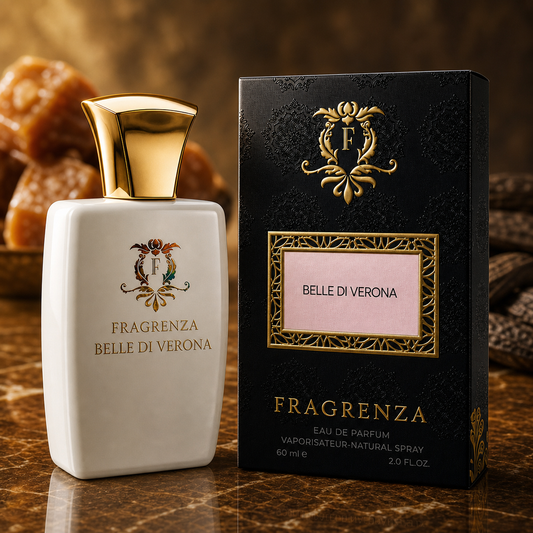
Belle di Verona Belle di VeronaVendor:Inspired by Lancome La Vie est BelleRegular price From $9.99Regular price
$102.00Sale price From $9.99Sale -
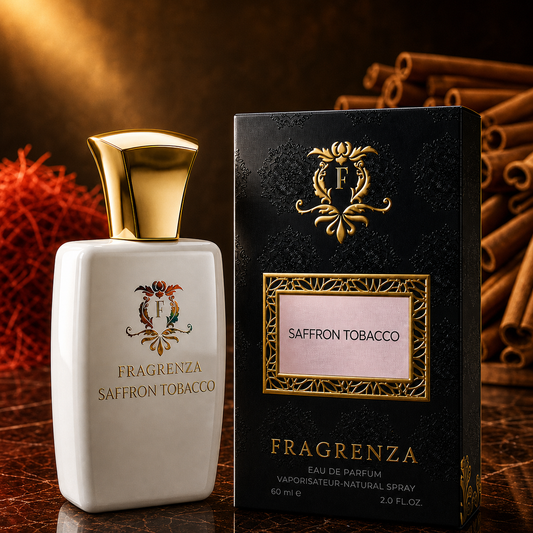
Saffron Tobacco Saffron TobaccoVendor:Inspired by Mancera Red TobaccoRegular price From $9.99Regular price
$180.00Sale price From $9.99Sale -
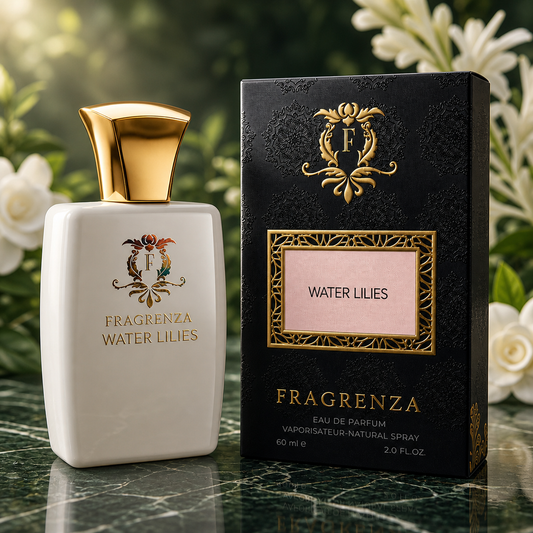
Water Lilies Water LiliesVendor:Regular price From $9.99Regular price
$200.00Sale price From $9.99Sale -
Talis Blu Talis BluVendor:Inspired by Ex Nihilo Blue TalismanRegular price From $9.99Regular price








About Pear Fragrances
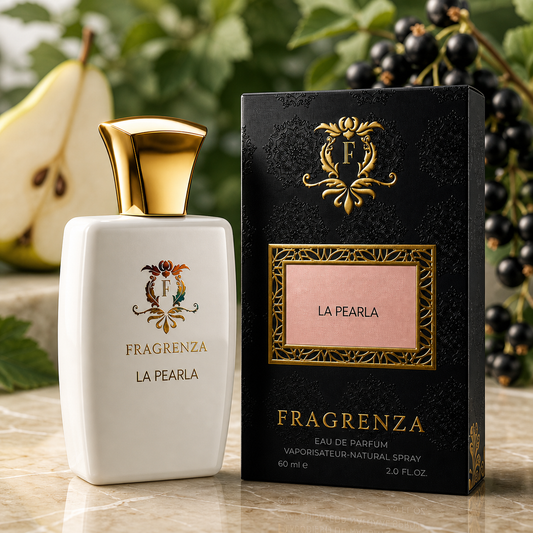
The pear is one of the most graceful fruits in perfumery — softer and more understated than the peachy stone fruits that often dominate fruity compositions, yet possessing a distinctive character that is instantly recognizable. Cultivated for millennia across Europe and Asia, varieties such as Williams, Comice, and Asian Nashi each carry subtly different aromatic profiles, but all share the same defining qualities: a crisp, watery freshness underscored by delicate sweetness and a light, almost aqueous texture unlike any other fruit.
As a fragrance ingredient, pear is typically rendered through chemical compounds such as ethyl (E,Z)-2,4-decadienoate, which captures the fruit's characteristic juicy-crisp quality with remarkable fidelity. The note opens with a bright, slightly green freshness, then settles into a soft, sweet-watery heart. It carries none of the heaviness of tropical fruits and avoids the tartness of citrus, sitting instead in a gentle, approachable register that layers harmoniously with florals, musks, and light woods without overwhelming them.
Pear is a beloved building block in perfumery for its versatility and universal appeal. It appears in feminine florals, fresh aquatics, and light fruity-woody compositions alike, lending a natural, uncomplicated sweetness that feels both elegant and effortless. Fragrenza's pear collections translate this classic note into beautifully crafted fragrance dupes, delivering the quality of top-tier perfumes at prices that make luxury accessible.
Other Collections
Cedarwood Fragrances

From this collection: Amarena Cherry — Lost Cherry by Tom Ford alternative
Explore our collection of cedarwood fragrances. Shop cedarwood perfumes and discover captivating scents.
Citruses Fragrances

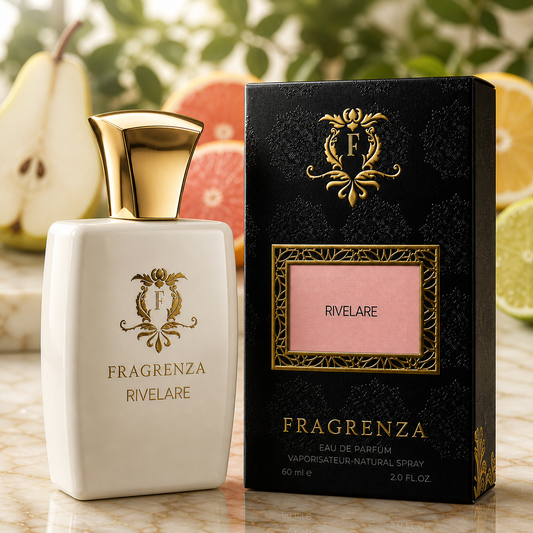
From this collection: Rivelare
Explore our collection of citruses fragrances. Shop citruses perfumes and discover captivating scents.
Elderberry Fragrances
From this collection: Rivelare
Explore our collection of elderberry fragrances. Shop elderberry perfumes and discover captivating scents.
Lemonade Fragrances
From this collection: Rivelare
Explore our collection of lemonade fragrances. Shop lemonade perfumes and discover captivating scents.
Pear Blossom Fragrances

From this collection: Chloris Gardenia — Flora Gorgeous Gardenia by Gucci alternative
Explore our collection of pear blossom fragrances. Shop pear blossom perfumes and discover captivating scents.
Amarena Cherry
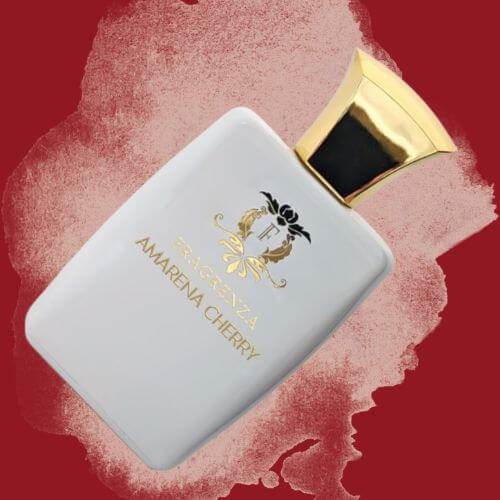
Obsessed with cherry? If you want to really amp up the cherry scent, this Tom Ford Lost Cherry dupe will give Lost Cherry a run for its money. Black cherry, cherry syrup, and cherry liqueur all mingle together for an indulgent cherry overdose that’s complemented by notes of almond, tonka bean, Turkish rose, and jasmine sambac.
Fruits, Vegetables And Nuts
Pyrus Communis Rosaceae
-
Our best sellers.
-
Adeline PDM Delina dupe Better Peach Tom Ford Bitter Peach dupe Chloris Gardenia Gucci Flora Gorgeous Gardenia dupe Fearless Love Kilian's Love, Don't Be Shy dupe Selvaggio Dior's Sauvage dupe Addict Noir YSL's Black Opium dupe Empress D&G's L'Imperatrice dupe Divino Bleu de Chanel dupe Lo amo J’Adore Dior dupe Pretty Girl Carolina Herrera's Good Girl dupe
-
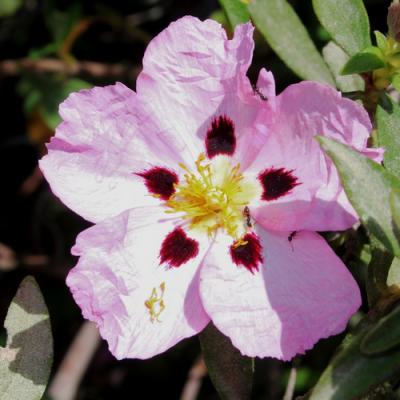
What Does Labdanum Smell Like?
Discover labdanum in perfumery — its warm, animalic, balsamic scent, history from ancient Mediterranean ritual to modern ambers, and its role in iconic fragrances.
-

What Does Patchouli Smell Like?
Patchouli smells like rich, dark earth — wet woods, chocolate, and aged leather. What it really smells like, why it’s linked to weed, and how to wear it.
-
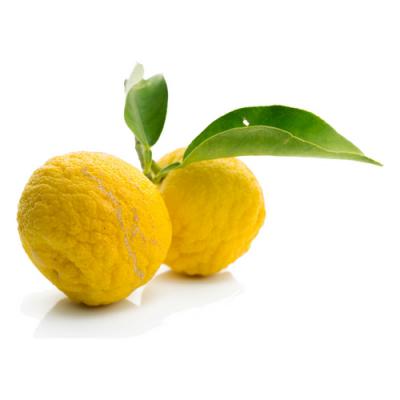
What Does Yuzu Smell Like?
What does yuzu smell like in perfumery? Explore this Japanese citrus note — its tart, floral-citrus scent, key aroma compounds, and how it elevates contemporary fragrance design.
-
What Does Amber Smell Like?
Discover what amber truly smells like in perfumery — from rare ambergris washed ashore to modern synthetics — and why it makes every fragrance warmer.

