


-
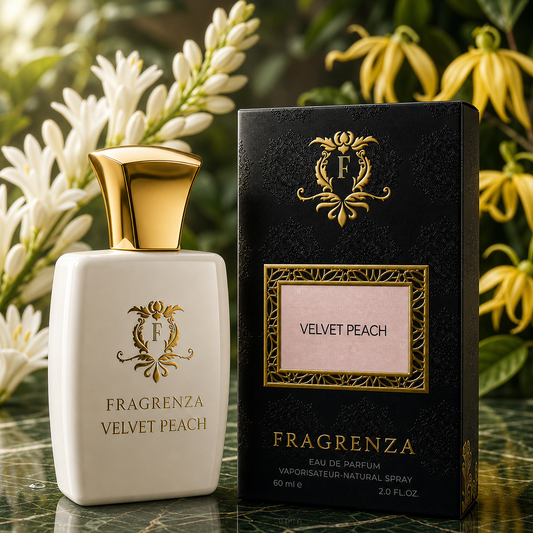
Velvet Peach Velvet PeachVendor:Regular price From $9.99Regular price
$200.00Sale price From $9.99Sale -
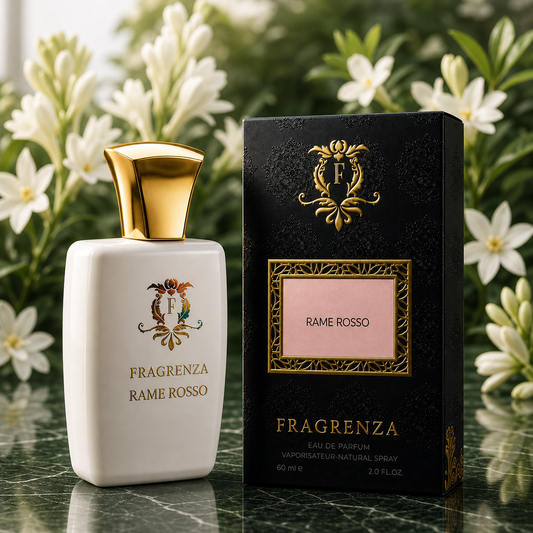
Rame Rosso Rame RossoVendor:Inspired by Giorgio Armani Rouge MalachiteRegular price From $9.99Regular price
$230.00Sale price From $9.99Sale -
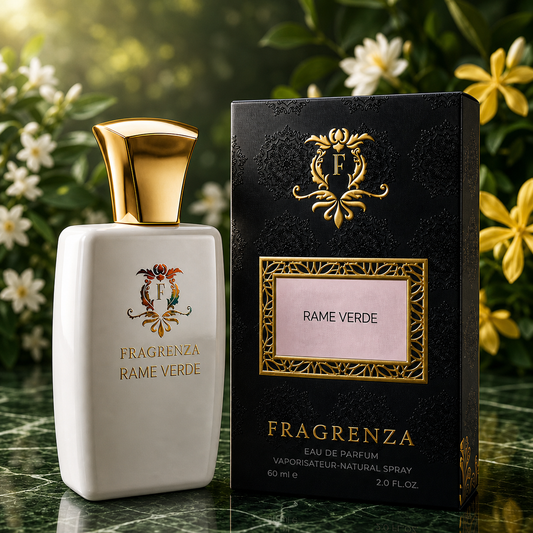
Rame Verde Rame VerdeVendor:Inspired by Giorgio Armani Vert MalachiteRegular price From $9.99Regular price
$230.00Sale price From $9.99Sale -
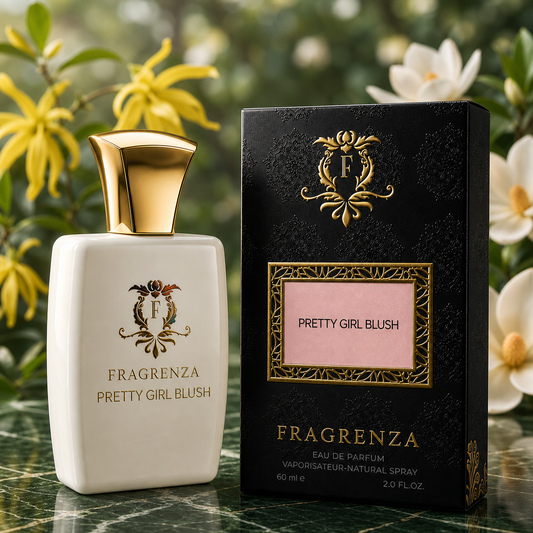
Pretty Girl Blush Pretty Girl BlushVendor:Inspired by Carolina Herrera Good Girl BlushRegular price From $9.99Regular price
$143.00Sale price From $9.99Sale -
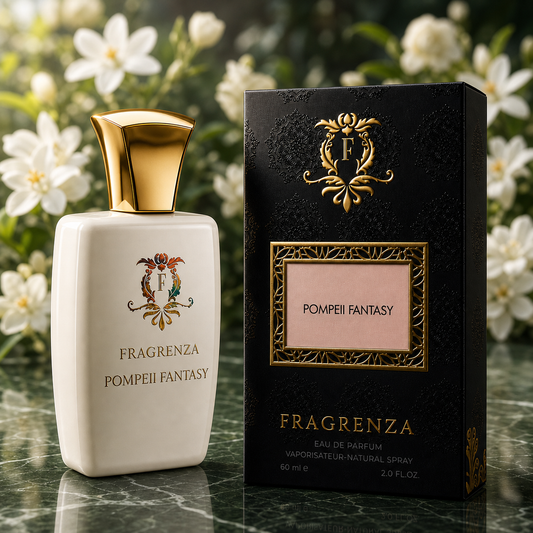
Pompeii Fantasy Pompeii FantasyVendor:Inspired by Chanel Coco MademoiselleRegular price From $9.99Regular price
$105.00Sale price From $9.99Sale -
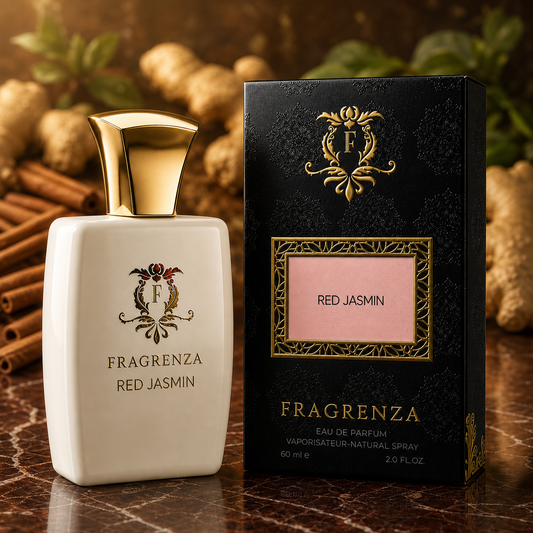
Red Jasmin Red JasminVendor:Inspired by Tom Ford Jasmin RougeRegular price From $9.99Regular price
$270.00Sale price From $9.99Sale -
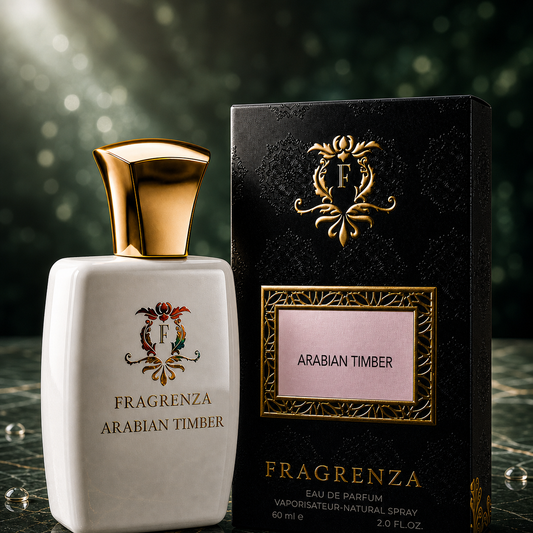
Arabian Timber Arabian TimberVendor:Inspired by Tom Ford Arabian WoodRegular price From $9.99Regular price
$429.00Sale price From $9.99Sale -
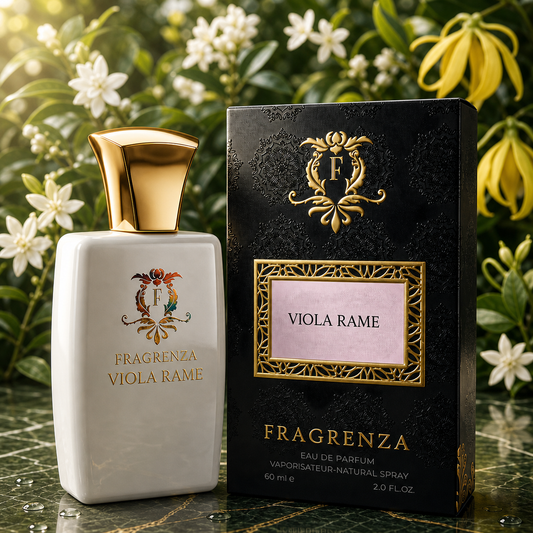
Viola Rame Viola RameVendor:Inspired by Giorgio Armani Armani Privé Bleu TurquoiseRegular price From $9.99Regular price
$326.00Sale price From $9.99Sold out -
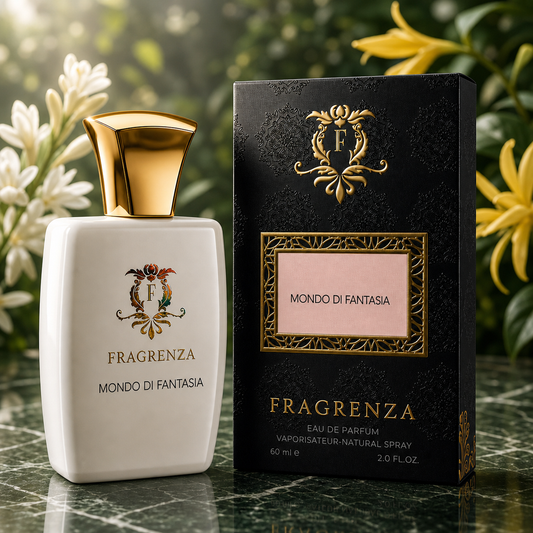
Mondo di Fantasia Mondo di FantasiaVendor:Regular price From $9.99Regular price
$200.00Sale price From $9.99Sale -
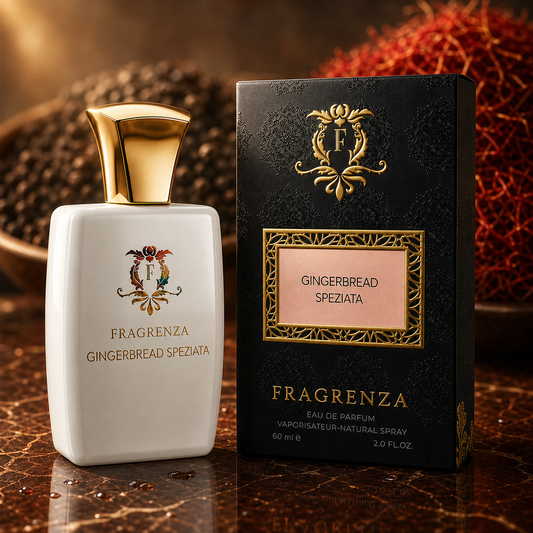
Gingerbread Speziata Gingerbread SpeziataVendor:Inspired by Xerjoff Casamorati 1888Regular price From $9.99Regular price
$305.00Sale price From $9.99Sale -
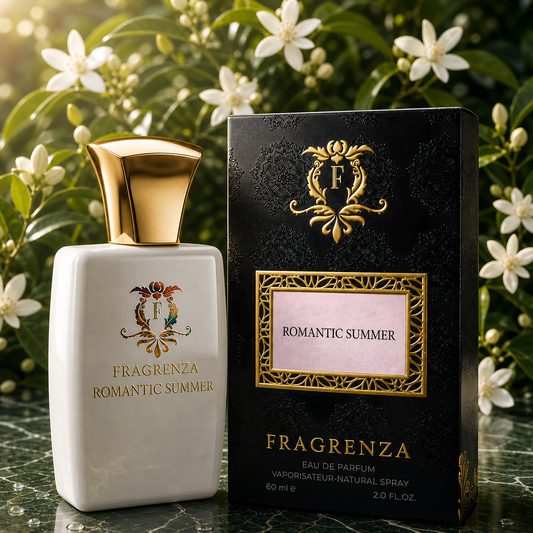
Romantic Summer Romantic SummerVendor:Inspired by Tom Ford Sole di PositanoRegular price From $9.99Regular price
$270.00Sale price From $9.99Sale -

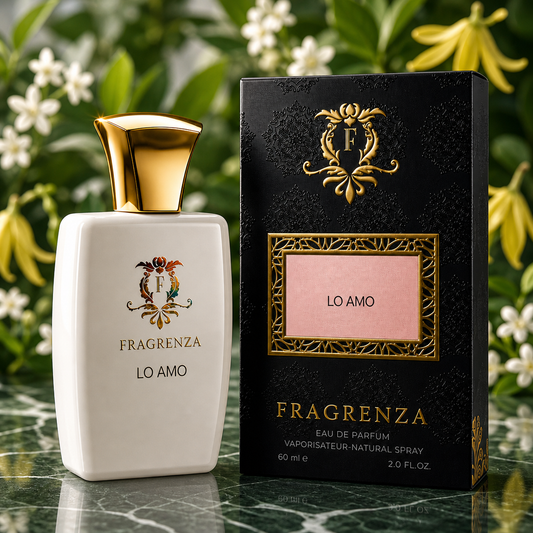 Sold outLo amo Lo amoVendor:Inspired by Dior J'adoreRegular price From $9.99Regular price
$142.00Sale price From $9.99Sold out -
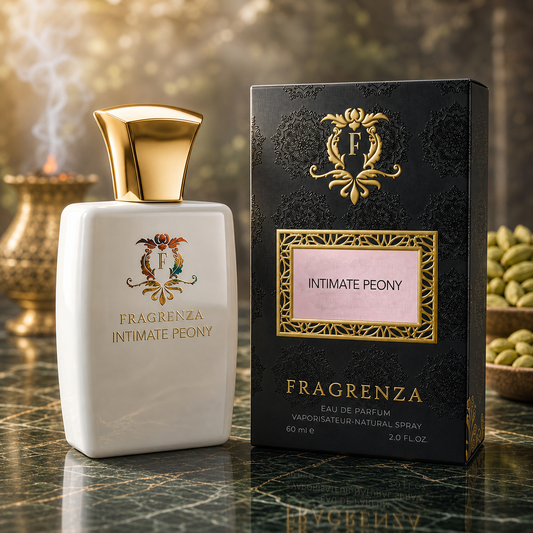
Intimate Peony Intimate PeonyVendor:Inspired by Amouage Dia ManRegular price From $9.99Regular price
$360.00Sale price From $9.99Sale -
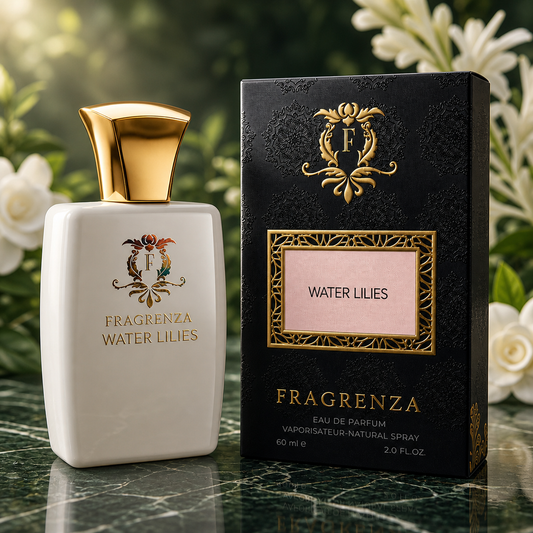
Water Lilies Water LiliesVendor:Regular price From $9.99Regular price
$200.00Sale price From $9.99Sale -
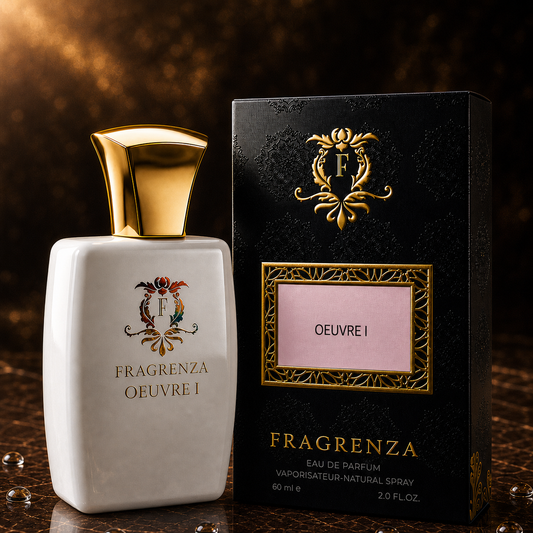
Oeuvre I Oeuvre IVendor:Inspired by Amouage Opus IRegular price From $9.99Regular price
$360.00Sale price From $9.99Sale -
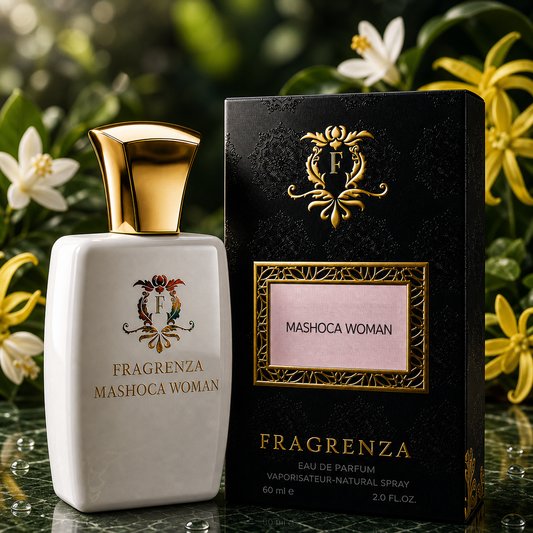
Mashoca Woman Mashoca WomanVendor:Inspired by Amouage Imitation WomanRegular price From $9.99Regular price
$360.00Sale price From $9.99Sale -


















About Ylang-Ylang Fragrances
Ylang-ylang is among the most intoxicating florals in the perfumer's palette — a tropical bloom of extraordinary richness and complexity that has been central to fine fragrance for well over a century. The ylang-ylang tree (Cananga odorata) is native to the tropical forests of Southeast Asia, and thrives particularly in the Comoro Islands, Madagascar, Indonesia, and the Philippines, where the finest quality essential oil is produced. The large, star-shaped yellow flowers are harvested by hand and processed through steam distillation, producing an oil of remarkable depth.
The scent of ylang-ylang is lush, heady, and multifaceted. At its heart it is deeply floral — sweet and rich with a creamy, almost narcotic quality — but it also carries surprising secondary facets: a rubbery, banana-like sweetness, a woody undertone, and a slight spicy edge that prevents it from ever becoming simply "pretty." The distillation process produces several grades of ylang-ylang oil (extra, I, II, III, and complete), each with a slightly different character — from the most refined and floral extra grade to the deeper, woodier complete oil.
In perfumery, ylang-ylang is prized for its ability to add tropical warmth, voluptuous sweetness, and a distinctive exotic character that few other florals can replicate. It has been a key ingredient in classics such as Chanel No. 5, where its richness adds body and sensuality to the legendary aldehydic floral accord. It blends beautifully with jasmine, tuberose, rose, and sandalwood. At Fragrenza, our ylang-ylang inspired-by fragrances celebrate this magnificent tropical bloom, capturing its lush complexity in compositions that echo the world's most beloved luxury florals.
Other Collections
Apple Blossom Fragrances

From this collection: Velvet Peach
Explore our collection of apple blossom fragrances. Shop apple blossom perfumes and discover captivating scents.
Bergamot Fragrances

From this collection: Limone e Vaniglia — Lira by Xerjoff alternative
Explore our collection of bergamot fragrances. Shop bergamot perfumes and discover captivating scents.
Men Fragrances

From this collection: Immortal Zeus — Aventus by Creed alternative
Explore our collection of men fragrances. Shop men perfumes and discover captivating scents.
Musk Fragrances

From this collection: Signorina Miele — Miss Dior Chérie by Dior alternative
Explore our collection of musk fragrances. Shop musk perfumes and discover captivating scents.
Orange Fragrances

From this collection: Rame Verde — Vert Malachite by Giorgio Armani alternative
Explore our collection of orange fragrances. Shop orange perfumes and discover captivating scents.
Amarena Cherry
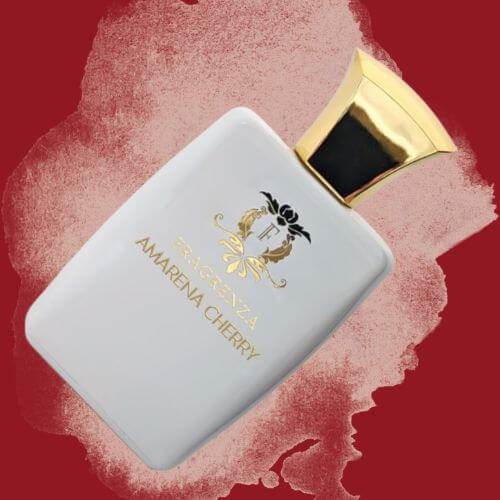
Obsessed with cherry? If you want to really amp up the cherry scent, this Tom Ford Lost Cherry dupe will give Lost Cherry a run for its money. Black cherry, cherry syrup, and cherry liqueur all mingle together for an indulgent cherry overdose that’s complemented by notes of almond, tonka bean, Turkish rose, and jasmine sambac.
Flowers
-
Our best sellers.
-
Adeline PDM Delina dupe Better Peach Tom Ford Bitter Peach dupe Chloris Gardenia Gucci Flora Gorgeous Gardenia dupe Fearless Love Kilian's Love, Don't Be Shy dupe Selvaggio Dior's Sauvage dupe Addict Noir YSL's Black Opium dupe Empress D&G's L'Imperatrice dupe Divino Bleu de Chanel dupe Lo amo J’Adore Dior dupe Pretty Girl Carolina Herrera's Good Girl dupe
-
What Does Labdanum Smell Like?
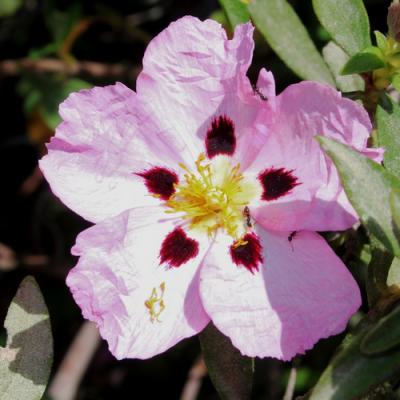
Discover labdanum in perfumery — its warm, animalic, balsamic scent, history from ancient Mediterranean ritual to modern ambers, and its role in iconic fragrances.
-

What Does Patchouli Smell Like?
Patchouli smells like rich, dark earth — wet woods, chocolate, and aged leather. What it really smells like, why it’s linked to weed, and how to wear it.
-
What Does Yuzu Smell Like?
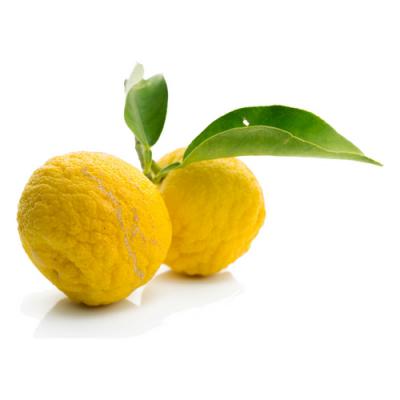
What does yuzu smell like in perfumery? Explore this Japanese citrus note — its tart, floral-citrus scent, key aroma compounds, and how it elevates contemporary fragrance design.
-
What Does Amber Smell Like?
Discover what amber truly smells like in perfumery — from rare ambergris washed ashore to modern synthetics — and why it makes every fragrance warmer.

